Bichon Frise
Bichon Frise is a small non-sporting breed from Spain also known as Bichon.
Breed overview
Bichon Frise is a small non-sporting breed from Spain also known as Bichon.
Descended from water spaniels, the Bichon Frise originated in the Mediterranean and became popular in France as a companion dog to nobility during the Renaissance.
People looking into Bichon Frise usually prepare for Moderate exercise needs, High grooming needs, 12–18 lbs • 9–12 in.
History and origin
Bichon Frise is tied to originating from Spain, specifically Canary Islands, with sources often placing its development around 1300 CE.
Bichon Frise is described here as placed in the Non-Sporting group and marked as an established breed.
Descended from water spaniels, the Bichon Frise originated in the Mediterranean and became popular in France as a companion dog to nobility during the Renaissance.
Quick facts
Traits and day-to-day fit
Coat and classification
Bichon Frise is grouped here with these coat and texture descriptors.
Bichon Frise is also listed as recognized by these kennel-club organizations.
Appearance and build
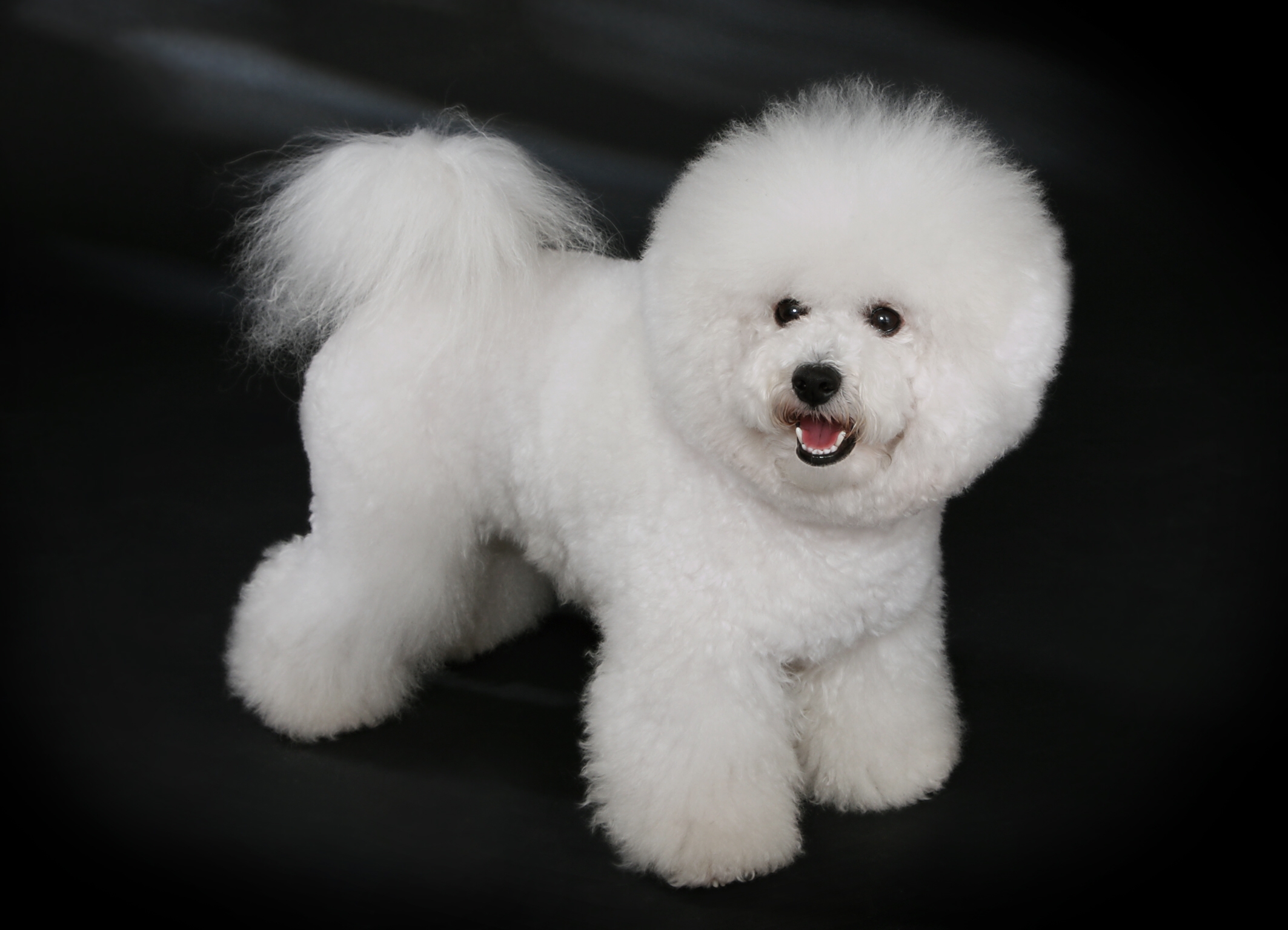
- Small, sturdy body with powder-puff appearance
- White, curly double coat
- Dark, round eyes with black eye rims
- Plumed tail carried over back
What this breed is known for
- Descended from water spaniels, the Bichon Frise originated in the Mediterranean and became popular in France as a companion dog to nobility during the Renaissance.
- Known for their white powder-puff appearance, with a soft undercoat and curly outer coat that gives them a fluffy appearance when properly groomed.
- Cheerful, playful temperament that stays puppy-like well into old age. They're sociable dogs that generally get along well with people and other animals.
Health and care notes
Bichon Frise is noted here for Moderate exercise needs and High grooming needs.
- Luxating Patella
- Hip Dysplasia
- Allergies
- Bladder Problems
Coat details: Curly, Dense, Hypoallergenic
These are informational breed-guide notes, not veterinary advice.
Frequently asked questions
Where does the Bichon Frise come from?
Bichon Frise is closely associated with Spain, especially Canary Islands in the sources used for this page.
How big does a Bichon Frise get?
Typical size details for Bichon Frise on this page are 12–18 lbs, 9–12 in, 14–15 years.
What is the Bichon Frise known for?
Descended from water spaniels, the Bichon Frise originated in the Mediterranean and became popular in France as a companion dog to nobility during the Renaissance.
Sources and citations
-
American Kennel Club breed profile
American Kennel Club
-
Royal Kennel Club breed profile
The Royal Kennel Club
-
Royal Kennel Club breed standard
The Royal Kennel Club • Breed standard
-
Bichon Frise reference page
Wikipedia
Use the linked breed directories and standards for deeper reference. Breed guides are informational and do not replace veterinary or breeder advice.